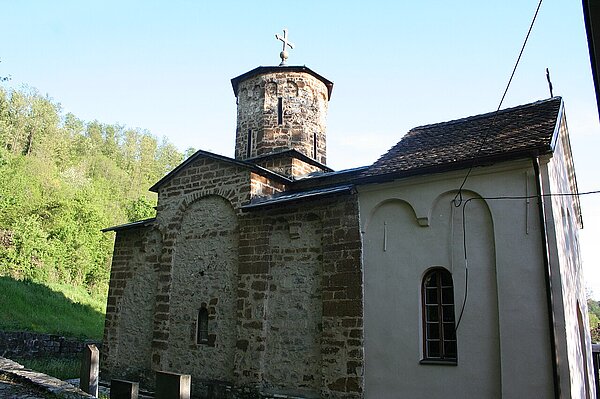
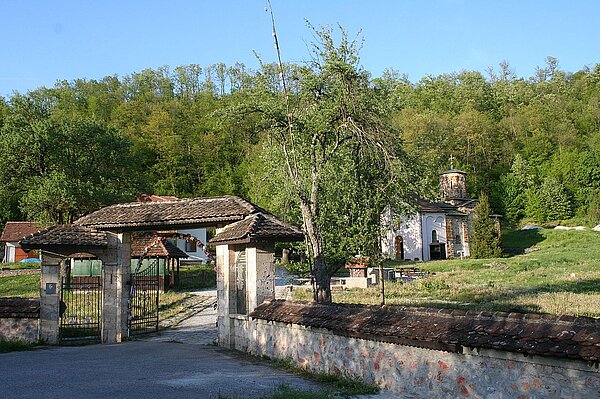
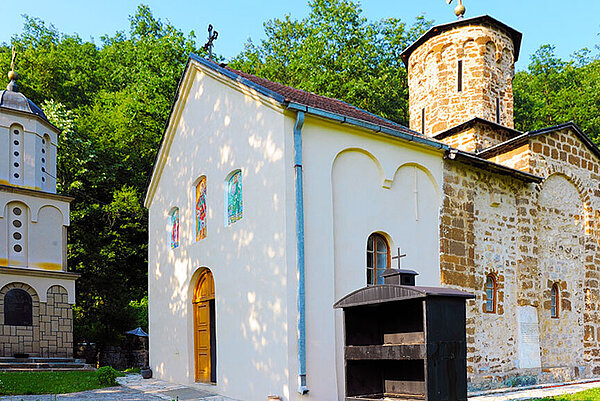
The Church of St. Dimitrija in Markova Church
The project includes:
- The restoration of the church damaged by the earthquake.
- The construction of a fence and main entrance to the churchyard.
- A retaining wall as part of the church complex.
The damage caused by the earthquake of 1998 was repaired in January 2006 by installing steel braces made of reinforcement steel into the masonry and at the level of wooden braces beneath the transverse arches that support the tambour, according to the restoration project by Z. Cekić, a civil engineering graduate from Belgrade. Secondary cracks in the walls were also repaired, and the walls were subsequently painted.
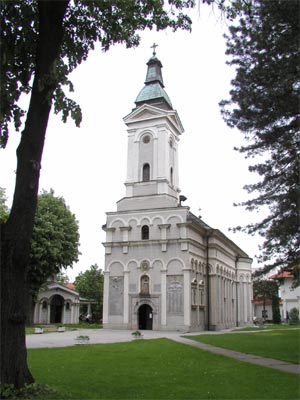
The Church of the Protection of the Most Holy Theotokos in Valjevo
The project includes:
- The restoration project and supervision related to the damage to the church, identified during the renovation phase while removing plaster from the interior walls
The church, located at the corner of Vojvode Mišića and Dr. Pantića streets, is dedicated to the Protection of the Most Holy Theotokos. It was built over an extended period, from 1837 to the mid-nineteenth century, modeled after the church in Požarevac. Some of the most renowned craftsmen of the time, such as Kosta Dimović, Dimitrije Sotirović, and Teodor Teodorović, were involved in its construction.
The church has an elongated floor plan, with the eastern part designed as a triconchos, while the western side features a tall bell tower. The entire building is constructed in the classical style, with decorative elements such as blind arcades, pilasters, lesenes, and a horizontal cornice. The roof is gabled and covered with sheet metal.
Inside the church, the dominant feature is the high iconostasis from 1865, created in the classical style, with icons painted by Nikola Marković, a renowned Serbian painter of the late 19th century.
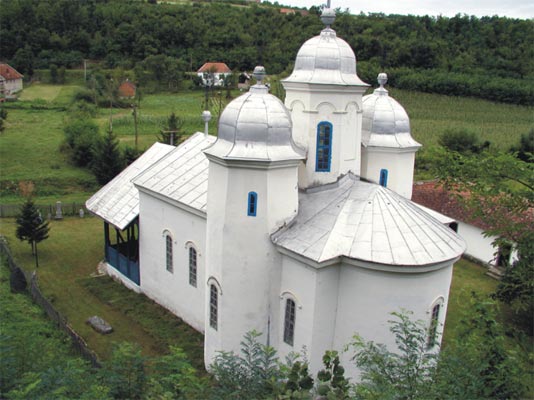
The Church of the Transfiguration in Krivaja
The project includes:
- The restoration project related to the damage to the church's walls, identified during the renovation phase while removing plaster from the interior walls.
The Church of the Transfiguration is located in a picturesque valley in the central part of the village of Krivaja. From the 16th to the 18th century, the church was part of a monastery called Krivojnik Dobrinje. The church received its current appearance in 1790 when extensive works were carried out, thanks to the patronage of prominent people from the region, among whom Oberknight Ranko Lazarević stands out. The signature of Mihailo Petrović, the chief master, is preserved on the altar table.
The church has a triconchal plan with a spacious altar apse, a narthex, and a characteristic semi-circular wooden porch on the western side, which was added later. Three domes dominate the exterior: the central dome and two smaller ones above the choir apses. The outer walls are simply plastered, undecorated, and painted white. In addition to the wooden porch, which is undoubtedly a masterpiece of folk craftsmanship, attention is also drawn to the two portals on the western side of the building (one leading to the porch and the other to the main building), created by the same masters who constructed the porch.
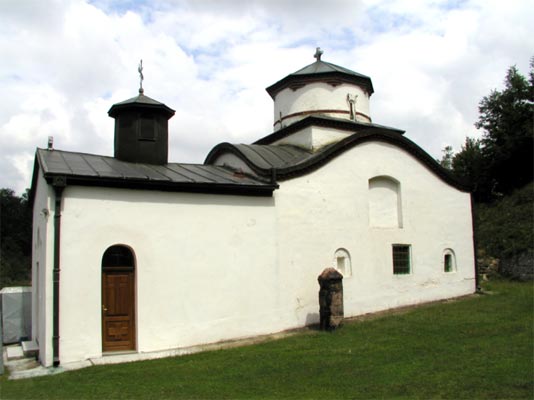
The Monastery of Dokmir
The project includes:
- The restoration of the church's foundation and walls.
- Removal of the central buttress (subject of previous restoration).
- Supervision of the work execution.
According to P. Popović, the church of the Dokmir Monastery dates back to the 15th century. It has suffered damage and been restored several times: in 1734, 1735, and 1828. Until 1834, it was a monastery (the old monastic quarters were located to the northeast of the church), and from that time until the end of the 20th century, it was a parish church. In recent times, it has been restored as a monastery. During the 1770s, the monastery was home to the famous Dokmir School, founded and led by Hieromonk Joakim Subotić.
The church has the shape of a compact inscribed cross with a naos and a dome above the central space. The dome rests on four pilasters via adjacent arches and vaults. The altar apse is semi-circular both externally and internally. The tambour of the dome is set on a low base and is octagonal on the outside. The roof structure is segmented in the shape of a symmetrical cross with a wavy, undulating roof cornice. Particularly interesting are two 15th-century tombstones with plastic decoration—one placed next to the church on its southern side, and the other embedded in the altar table.
The Nenadović Tower
The project includes:
- The restoration of the tower's walls and reconstruction of the inter-floor structures.
- The reconstruction of the roof structure.
- The construction of a souvenir shop as part of the complex.
- Supervision of the work execution.
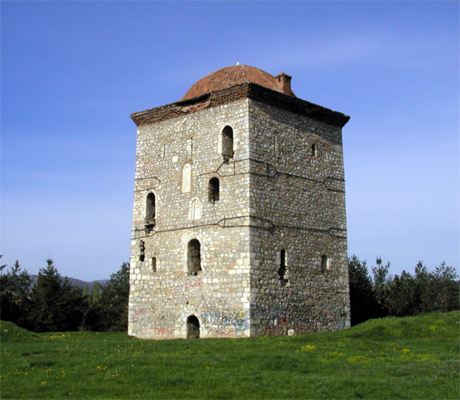
The tower has an approximately square base (9.80 x 9.70 x 10.00 x 9.76 meters) and is 17.50 meters tall, including the roof. It is massively built from stone and divided into four floors. The tower is vaulted with brick and covered with tile. On the outer walls, at various heights, there are commemorative plaques documenting its construction.
The tower was built by the insurgent state in 1813 and served military purposes. The construction was overseen by Governor Jakov Nenadović, the Minister of the Interior, and his son, Duke Jefrem. Between the two uprisings, from 1813 to 1815, the Turks used the tower as a prison. It is likely because of this that Duke Sima Nenadović destroyed it after the liberation of Valjevo on May 28, 1815. It was rebuilt in 1836 at the expense of the Principality of Serbia and was used for storing gunpowder until the end of the 19th century.
The Šabac Fortress
The project includes:
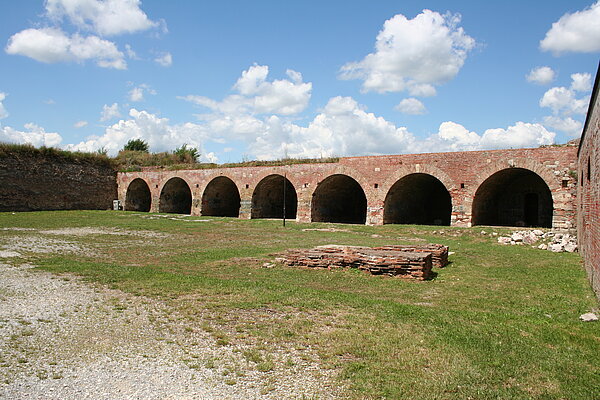
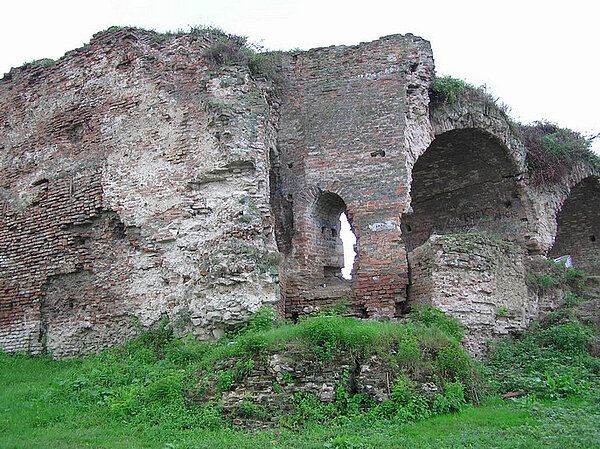
- Supervision of works related to the reconstruction of the protective rampart facing the Sava River.
- The construction project for the internal staircase and platform at the entrance rampart.
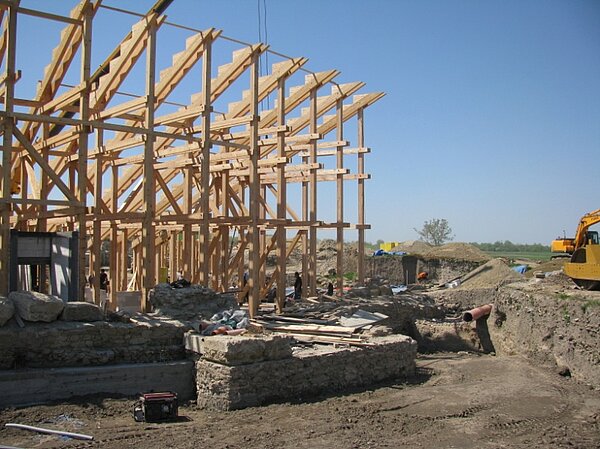
The Roman Amphitheater in Viminacium
The project includes:
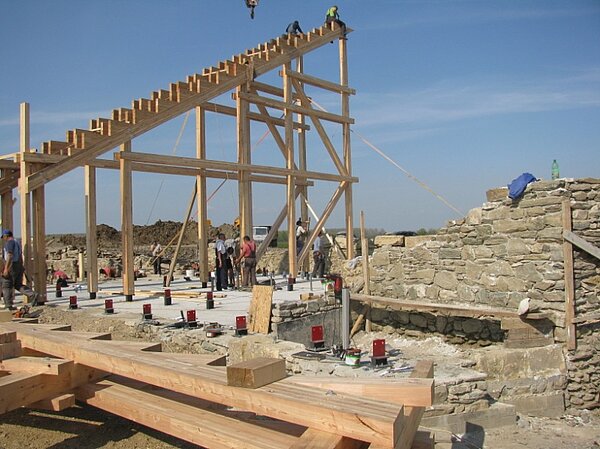
- Restoration and reconstruction of the stone walls of the amphitheater and its ramparts.
- Reconstruction of the wooden bleachers of the amphitheater.
- Supervision of the work execution.
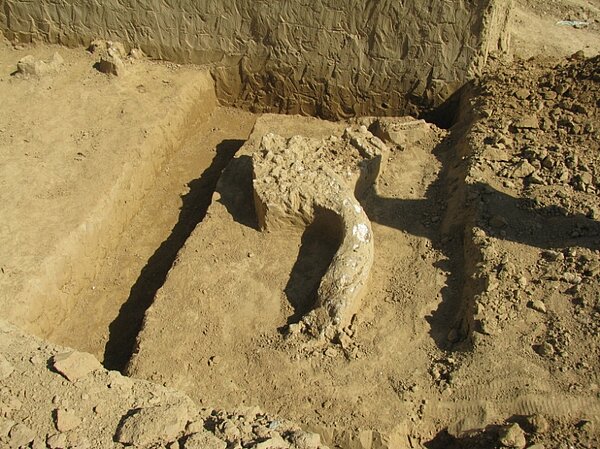
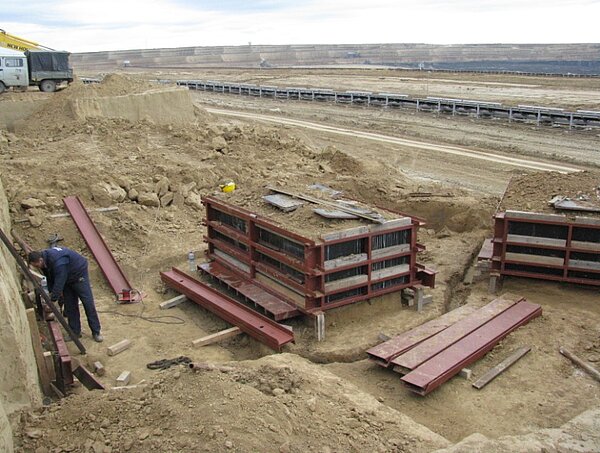
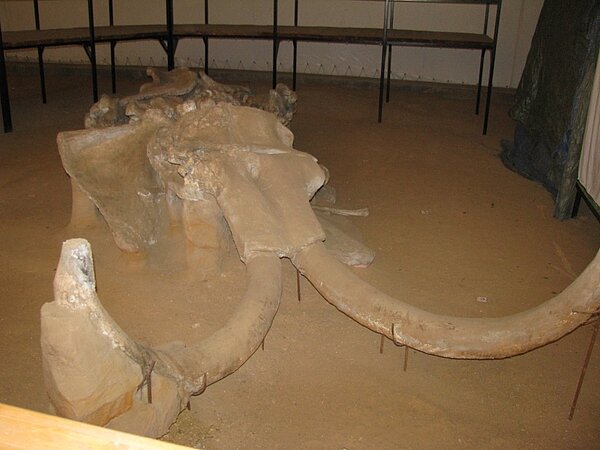
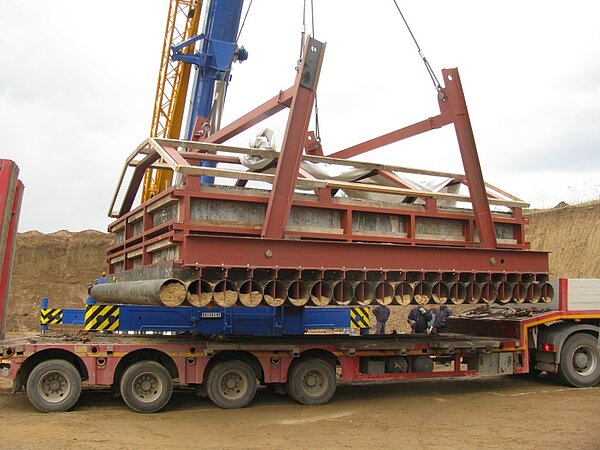
The Transfer of Mammoth Parts from Noska Hill
The project includes:
- The author of the technology for the transfer.
- Supervision of the work execution.